

Music’s ability to heal and uplift the human spirit is both profound and well-documented. From the soothing strains of a violin to the energizing beats of a drum, music engages our brains and bodies in ways that go beyond mere entertainment, impacting our psychological, emotional, and physical health.
Psychological and Emotional Healing
Music has a unique link to our emotions, so it can be an extremely effective stress management tool. Listening to music can have a tremendously relaxing effect on our minds, especially slow, classical music. This type of music can have a beneficial effect on our physiological functions, slowing the pulse and heart rate, lowering blood pressure, and decreasing the levels of stress hormones.
Moreover, music can serve as a distraction, allowing listeners to explore feelings and moods that may be otherwise difficult to express. For individuals dealing with issues like anxiety and depression, music can provide a much-needed escape, helping to concentrate thoughts or even explore and resolve underlying conflict.
Physical Benefits
On a physical level, music can be considered a type of medicine. Certain frequencies can directly stimulate physical responses in the body. For example, fast beats can make you more alert and enhance your concentration, while slower tempos promote a tranquil state, encouraging relaxation and pain reduction.
Music therapy is increasingly used in hospitals to reduce pain and anxiety in patients, aid in rehabilitation, and promote movement for physical therapy. Studies have shown that music can aid in recovery by activating certain brain areas associated with emotion, which releases neurotransmitters and hormones that can boost immune function and promote healing.
Soulful Resonance
Music’s impact goes deeper, touching the soul. It can lift spirits, provide comfort, and create a sense of community and belonging. Singing or playing music with others can produce shared experiences that are deeply bonding. Such communal music-making can promote empathy, social connection, and a feeling of unity.

Incorporating Music into Everyday Life for Healing
- Relaxation and Meditation: Incorporate calming music into your relaxation or meditation routines to enhance the benefits.
- Active Listening: Set aside time to actively listen to music without other distractions. This can help to fully experience its therapeutic benefits.
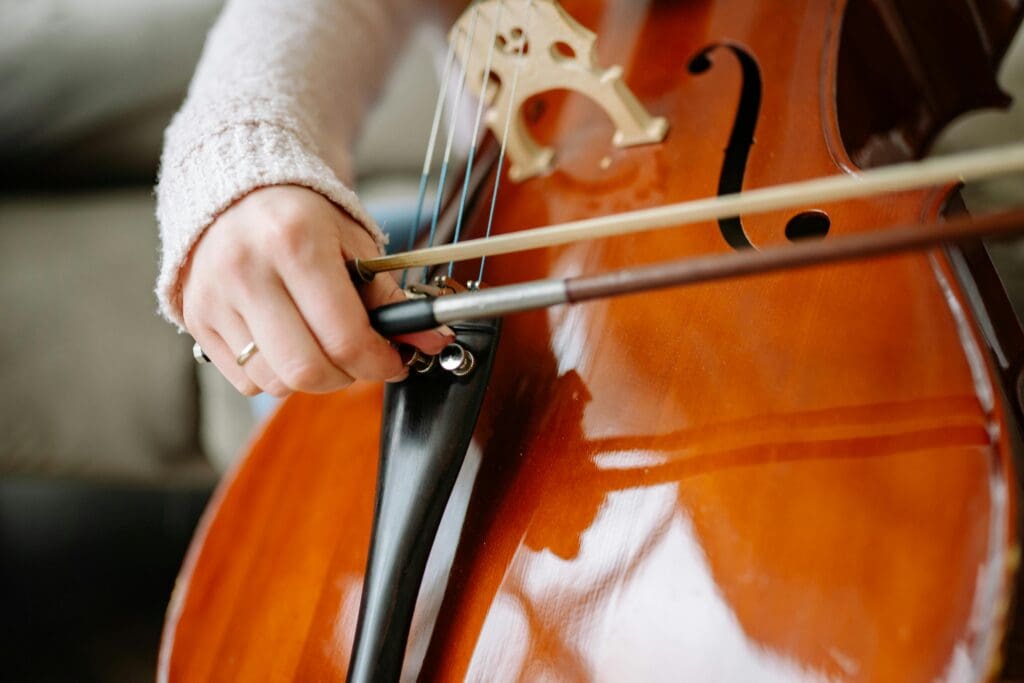
- Expressive Therapy: Use music as a form of expressive therapy. Playing musical instruments or singing allows for emotional expression and can be incredibly therapeutic.
- Social Interaction: Engage in musical activities with others, whether by attending concerts, joining a choir, or participating in a drum circle, to enrich your social life and deepen your connection to others.
The healing powers of music are vast and varied, offering benefits from the cellular level to the communal. Whether through passive listening or active participation, integrating music into your life can enhance your health and happiness, proving itself as a true nourishment for both the body and the soul.
Postscript: For all you concert-goers, here’s a tip: When you’re wanting to buy tickets to a show, don’t buy tickets when they first go on sale. Wait until about 48 hours before the show, and go to a concert broker like Vivid Seats. Not only will you get a greatly reduced price, but you just might get really great seats, like down in the front few rows, . I’ve done this several times and it’s worked out perfectly. Here’s the link to Vivid Seats:
Vivid Seats: https://www.vividseats.com/
Rock on! 🤘



Be the first to comment